
Google seeks approval to release 32 million mosquitoes in US
Google has requested permission from the US Environmental Protection Agency to release up to 32 million sterilised mosquitoes in California and Florida as part of a disease control…

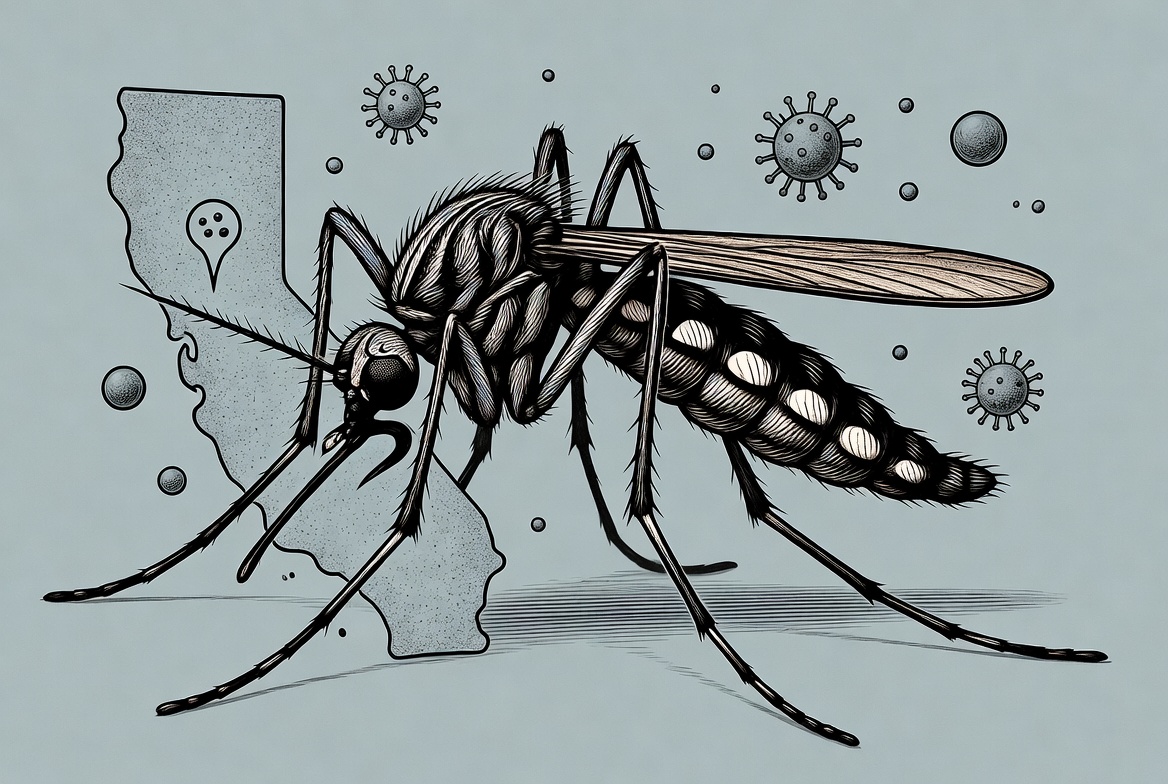
Google has requested permission from the US Environmental Protection Agency to release up to 32 million sterilised mosquitoes in California and Florida as part of a disease control initiative.
The proposal, outlined in a federal register notice, would allow the release of up to 16 million mosquitoes annually over a two-year period. The agency is currently reviewing the request, with a decision expected after a public comment period ending 5 June.
The programme, known as “Debug”, involves breeding male mosquitoes infected with a naturally occurring bacterium called wolbachia. When these males mate with wild females, the resulting eggs do not hatch, reducing mosquito populations over time. Male mosquitoes do not bite or transmit disease.
The targeted species, Aedes aegypti, is responsible for spreading illnesses including dengue, Zika, yellow fever and chikungunya.
The initiative builds on trials conducted in Singapore, where releases of modified mosquitoes led to significant population declines and reductions in dengue cases within a year.
Google states that traditional control methods, such as pesticides, have proven less effective, prompting the development of alternative approaches using data science and automated systems.
Written by the newsroom, not a summariser. Free, and you can leave whenever.







0 comments
Anyone can read the thread · subscribers can post