
Tesla kills Full Self-Driving one-time purchase shifting to a subscription-only model
Tesla is changing how it sells its Full Self-Driving (FSD) feature. Starting February 14, 2026, the company will no longer offer FSD as a one-off purchase. Instead, drivers…

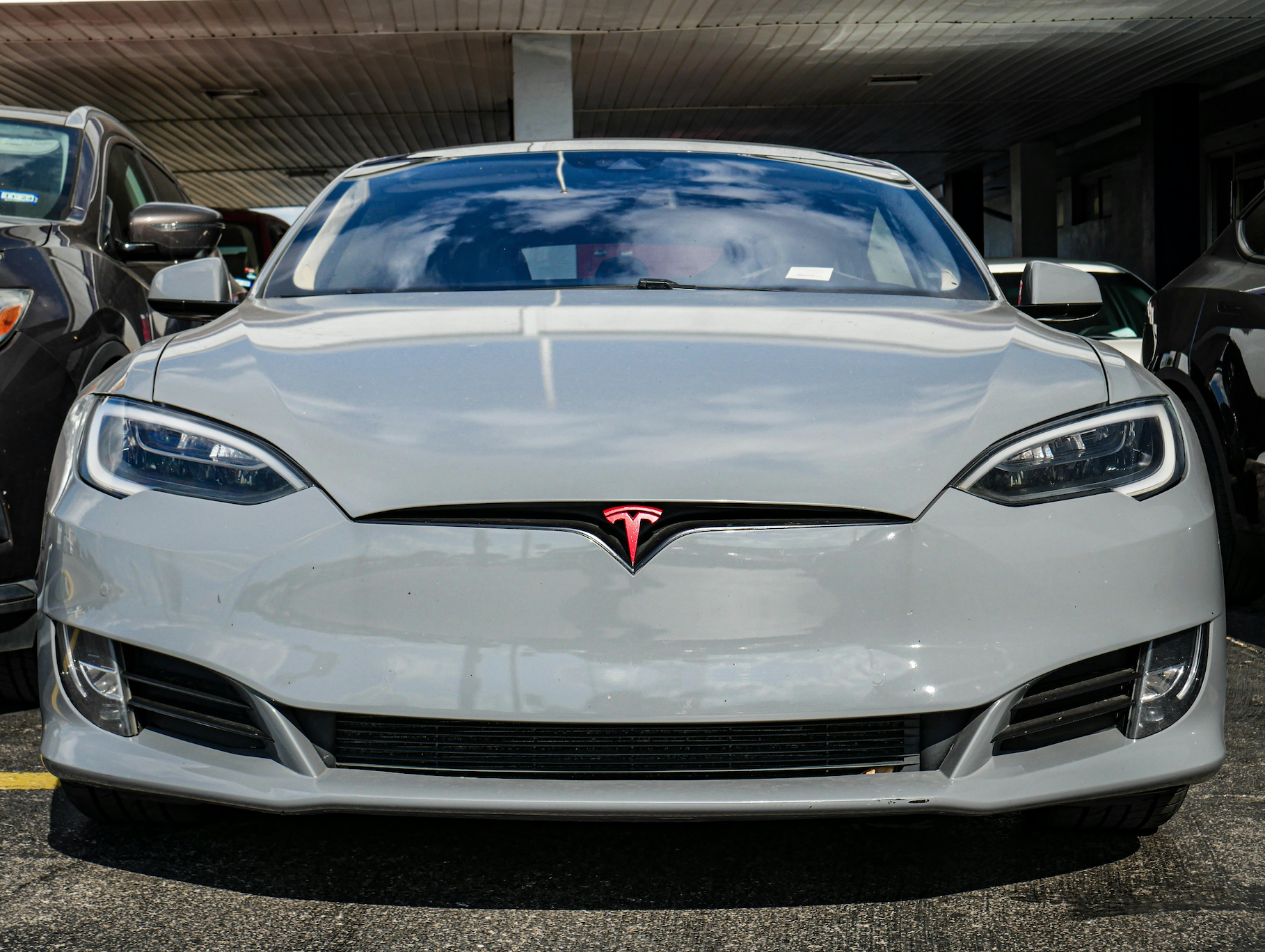
Tesla is changing how it sells its Full Self-Driving (FSD) feature. Starting February 14, 2026, the company will no longer offer FSD as a one-off purchase. Instead, drivers will need to subscribe monthly to use the software, which still legally requires hands-on supervision.
CEO Elon Musk confirmed the change on X, a considerable change on the purchase model that once cost up to $15,000 in 2022 to a recurring subscription approach in 2026.
Until now, Tesla offered FSD both as a one-time purchase and a subscription, with the latter usually around $99 per month. Going forward, new customers can only access FSD via subscription. Existing owners have until mid-February to grab the one-time option.
Tesla’s FSD adoption has been relatively modest: by late 2025, only about 12% of Tesla vehicles had an active FSD subscription.
Tesla’s marketing of FSD has drawn legal scrutiny. In December 2025, the California DMV ruled that Tesla’s use of terms like “Autopilot” and “Full Self-Driving Capability” is misleading because the system isn’t fully hands-free. The DMV gave Tesla 60 days to fix its marketing before penalties, including potential license suspension, could kick in.
Meanwhile, Tesla faces lawsuits over the gap between promised autonomy and the reality of supervised driving. Shifting to subscription-only sales could reduce exposure to claims about “full” self-driving.
The subscription model also affects internal targets and executive pay. Elon Musk’s pay plan theoretically worth up to $1 trillion hinges partly on reaching 10 million FSD subscriptions by late 2035. Subscription numbers count more directly toward that goal than one-off sales.
Companies like Rivian, Ford, GM, and several Chinese brands have rolled out their own systems, sometimes included with the car at no extra cost. This could limit the appeal of a paid FSD subscription, particularly if rivals perform better or are more widely available.
The future of FSD depends on Tesla growing its subscriber base, navigating regulations, and staying ahead of competition. How other automakers, regulators, and technology developments evolve will determine whether subscription-based driver-assist systems become the standard or remain a stepping stone toward fully autonomous vehicles.
Written by the newsroom, not a summariser. Free, and you can leave whenever.

0 comments
Anyone can read the thread · subscribers can post