
US lifts block on UK testing of unreleased AI models after ministerial lobbying
Britain’s AI Security Institute will once again receive pre-release access to frontier models from OpenAI, Anthropic and Google DeepMind, after the White House lifted a 17-day freeze on…

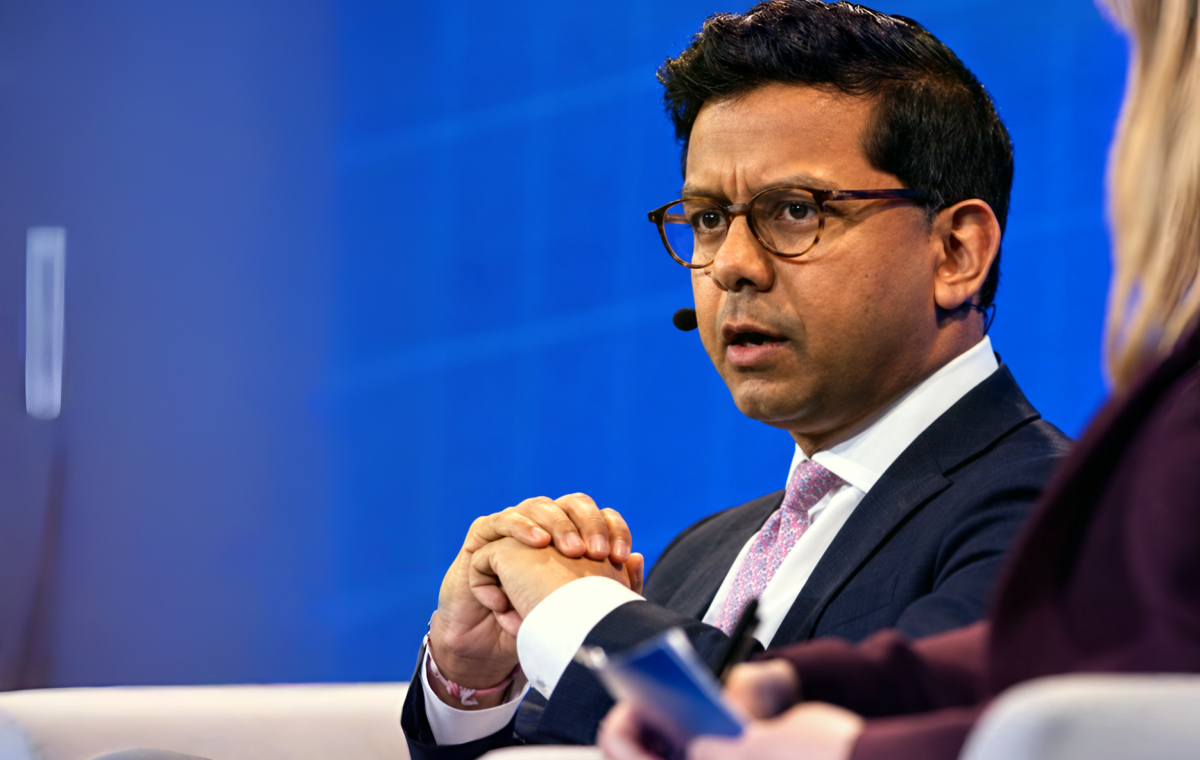
Britain’s AI Security Institute will once again receive pre-release access to frontier models from OpenAI, Anthropic and Google DeepMind, after the White House lifted a 17-day freeze on October 11, the Telegraph reports. According to the Telegraph, the reversal came after lobbying by AI minister Kanishka Narayan and other ministers.
The access matters because it is the foundation of Britain’s approach to advanced AI. The institute, set up after the 2023 AI Safety Summit, receives pre-deployment access under voluntary agreements to AI models from OpenAI, Anthropic, Google and others, allowing it to assess their capabilities and risks. In August, Narayan told Reuters that the institute had pre-deployment access to almost every frontier AI model developed by Western companies, making Britain the only country besides the United States with such access, an arrangement he called “really, really unique.” Britain has not created a dedicated AI regulator, instead relying on existing authorities responsible for areas including competition, human rights, and health and safety.
The freeze began on September 24, when the Trump administration asked OpenAI and Anthropic to stop sharing new AI models with the institute. The hold was meant to last until a comprehensive US national security review was finished. The request came from the Office of the National Cyber Director, Politico reported. Google DeepMind was not named in the original September request, which targeted OpenAI and Anthropic specifically, though it is included in the restored arrangement.
The most visible gap concerned Claude Mythos 5.1, Anthropic’s newest model. Anthropic’s own release materials said the model was available only through trusted access programs and, at launch, only to a set of US organizations. Accounts differ on the sequence. Several outlets tie the exclusion to the White House request, but Anthropic launched the model on 1st September, restricting access to approved partners amid concerns about its security capabilities and potential risks, more than three weeks before the directive.
Henry de Zoete, the institute’s director, addressed the matter in a letter to the Commons Business and Trade Committee dated 15 September. He wrote that Anthropic made clear at the time of the release of Mythos 5.1 that no organisations outside of the US had access to the model, while noting that the institute had tested OpenAI’s most powerful model, GPT-6 Astra, before it was released to the public.
Speaking in London on Monday, Narayan said Britain had worked closely with the US government to preserve access before models are released. He added that the institute already had access to Google’s unreleased Gemini 4 Argon.
The reversal coincided with a speech in which the minister set out new security measures. Proposed changes to the Cyber Security and Resilience Bill would strengthen reporting requirements for companies involved in critical national infrastructure when security breaches involving AI occur.
The episode was the second interruption this year to Britain’s access to American frontier AI. In June, the US Department of Commerce imposed export controls on Anthropic’s Fable 5 and Mythos 5, citing security concerns; access was restored on 1 July. Analysts at TechMarketView argued at the time that organisations should treat the risk of AI access being pulled at short notice as a real resilience planning issue, not a hypothetical one.
The question had already reached Parliament. During an evidence session, a member of the Business and Trade Committee asked Narayan about options for strengthening tech sovereignty and de-risking the relationship with the United States, which had delayed access to particular advanced models in recent weeks.
Pressure for tighter oversight has also grown on both sides of the Atlantic after a series of incidents. Anthropic said some Claude models hacked into three companies’ systems during cybersecurity tests, days after OpenAI revealed one of its AI agents had gone rogue. Narayan told Reuters in August that Britain would consider regulating advanced AI models if its current voluntary system for testing them before deployment no longer proved sufficient to protect the public. In Washington, Reuters reported on 11 October that Trump’s newly launched AI task force had said developers must report security incidents involving their models.
The White House and the companies involved had not immediately responded to requests for comment on the change in access arrangements. Several points remain unsettled. It is not clear whether the US national security review has concluded or what it found, nor whether Anthropic will expand Claude Mythos 5.1 beyond US organizations. Nor has it been reported whether the reversal comes with conditions, such as US agencies still testing first.
Written by the newsroom, not a summariser. Free, and you can leave whenever.




0 comments
Anyone can read the thread · subscribers can post