
Quantexa’s £175M HMRC deal: What you need to know
Quantexa a UK-based software company that specializes in data analytics, artificial intelligence (AI), and “Decision Intelligence announced Today that it had signed a 10 year contract worth £175…

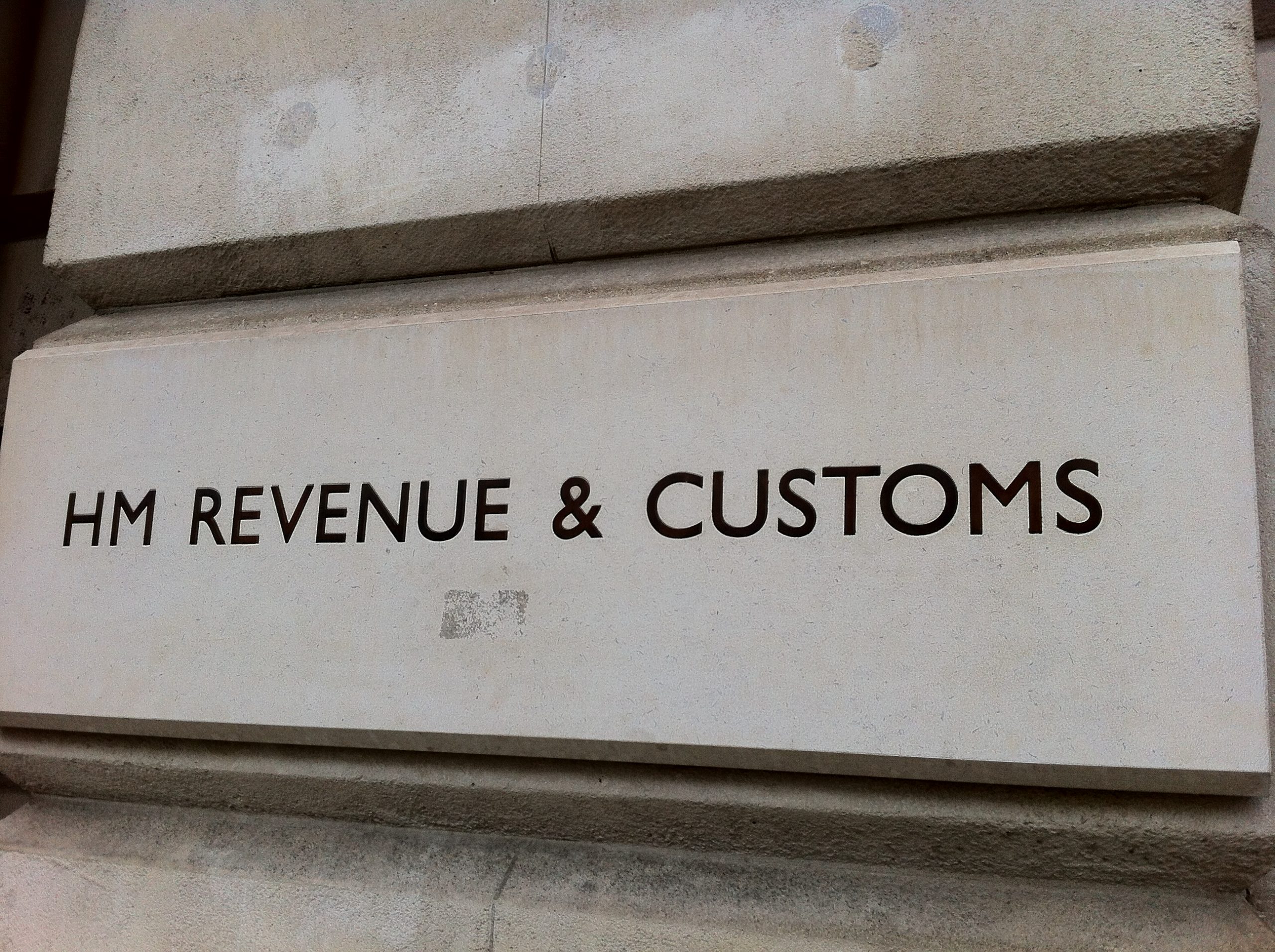
Quantexa a UK-based software company that specializes in data analytics, artificial intelligence (AI), and “Decision Intelligence announced Today that it had signed a 10 year contract worth £175 million with HM Revenue and Customs (HMRC) the UK government department responsible for collecting taxes, administering payments, and enforcing financial regulations. The contract aims to modernise the UK tax authority’s data systems and introduce advanced artificial intelligence at scale.
The deal is described as one of the largest Decision Intelligence initiatives in the UK public sector, aiming to modernise HMRC’s core data systems and provide a more connected, comprehensive view of taxpayer information.
Officials say the programme will improve efficiency, strengthen fraud detection, and help identify tax revenue at risk, while enhancing overall service for UK taxpayers.
Quantexa’s Decision Intelligence Platform, integrates fragmented datasets into a governed and auditable foundation for AI-driven insights. The system is designed to support secure, explainable AI deployment at scale, an increasing priority for governments navigating data sovereignty and regulatory demands.
Quantexa’s founder and chief executive, Vishal Marria, described the project as a “blueprint” for how governments can harness data and AI to improve decision-making.
Quantexa works with a mix of major banks, governments, insurers, and large enterprises around the world, mainly focused on fraud detection, anti-money laundering (AML), compliance, customer intelligence, and data modernisation.
In 2023,Quantexa secured a £4 million contract with the UK Cabinet Office and its Public Sector Fraud Authority to help identify and prevent fraud across public services using AI and large-scale data analysis. The collaboration focused on analysing suspected abuse in the government’s COVID-era Bounce Back Loan Scheme, where Quantexa processed over 100 million data points to uncover potentially fraudulent networks.
HMRC estimates the UK tax gap reached £46.8 billion in the 2023–24 tax year, equal to 5.3% of all tax owed. HMRC still collected £829.2 billion, or 94.7% of all taxes due, despite the gap.Small businesses account for around 60% of the tax gap, making them the single largest area of unpaid tax risk.
HMRC’s existing “Connect” big-data analytics system reportedly helped recover over £4.6 billion in tax revenue in one year by linking datasets and spotting suspicious patterns. HMRC recently said it blocked £1.9 billion in attempted fraud in a single tax year.
Countries such as the United States, Australia, Singapore, the Netherlands, and Belgium have invested heavily in AI-driven fraud and compliance systems. Belgium’s tax authorities, for example, reportedly used Quantexa technology to help reduce VAT fraud by around $1 billion.
While established firms like SAS and IBM dominate traditional analytics and compliance systems, Palantir is the most known for large-scale intelligence and security platforms. NICE Actimize and FICO specialise in financial crime and credit risk.
Quantexa is a newer entrant growing rapidly due to its focus on “Decision Intelligence,” which links fragmented data to uncover hidden relationships and improve explainable AI-driven decision-making.
Written by the newsroom, not a summariser. Free, and you can leave whenever.







0 comments
Anyone can read the thread · subscribers can post