
What you should know about Institute for the Future of Work’s conference in London about AI’s impact on jobs
The Institute for the Future of Work (IFOW), a UK-based research organisation focused on the impact of AI and automation on work, convened its “Making the Future Work”…

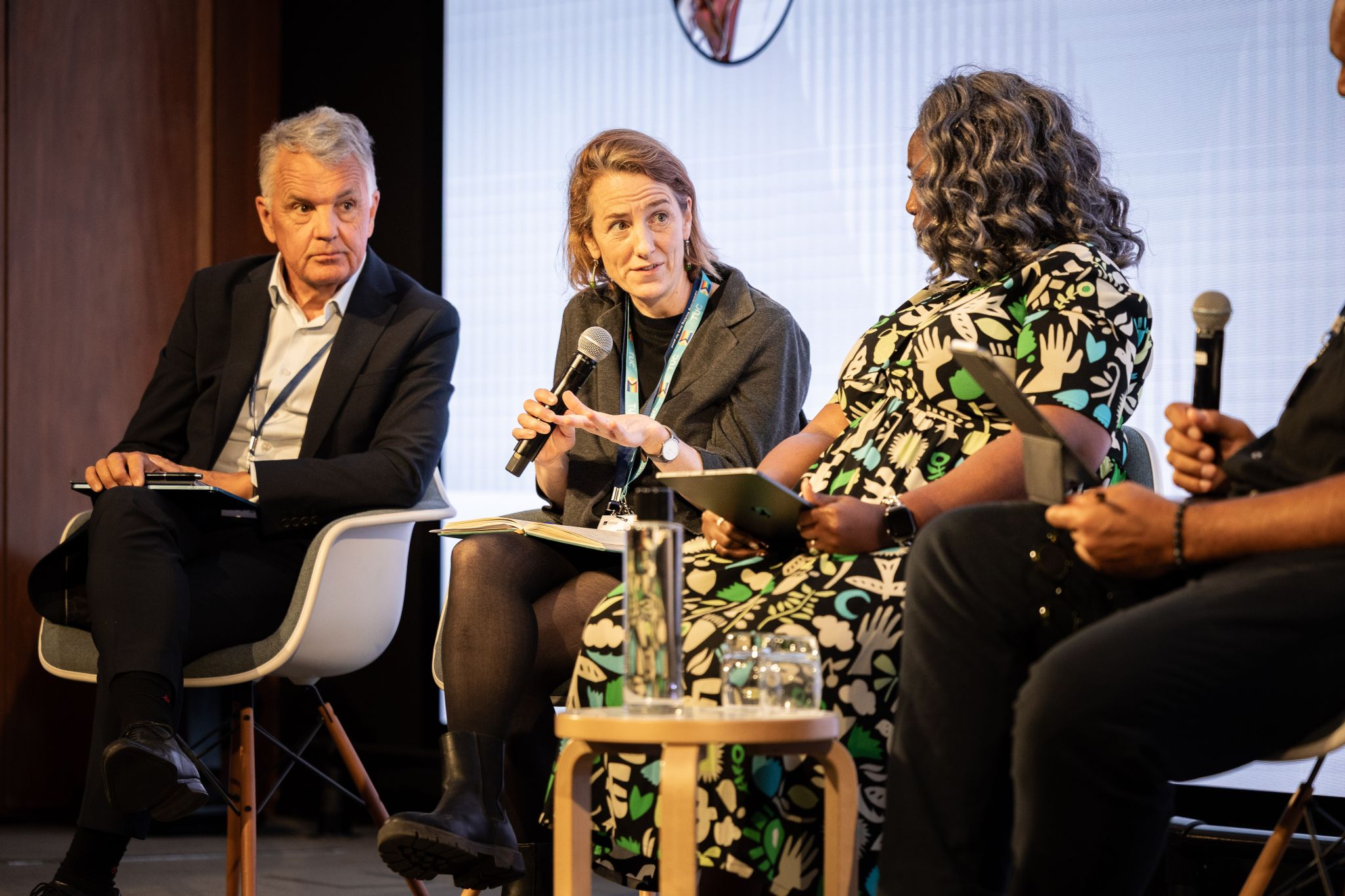
The Institute for the Future of Work (IFOW), a UK-based research organisation focused on the impact of AI and automation on work, convened its “Making the Future Work” conference on Monday 18 May 2026 at the Institution of Engineering and Technology (IET) in London.
The event brought together policymakers, academics, industry leaders, and civil society representatives to examine how rapid technological change, particularly AI adoption, is reshaping work and labour markets.
The conference, with over 400 registered attendees and near-capacity turnout, was structured around four core “challenges” framing the day’s discussions: the Adoption Challenge (centering people in AI design and deployment), the Transitions Challenge (supporting workers through changing job pathways), the Institutions Challenge (strengthening regional ecosystems and addressing structural inequalities in access to good work), and the Accountability Challenge (ensuring technological change contributes to social and democratic wellbeing).
Speakers included senior government and policy figures such as Patrick Vallance, who emphasised the importance of “good work design” in AI adoption. Contributions also came from Anne-Marie Imafidon MBE, who took part in sessions on young people, employability, and entry-level job transitions during technological change.
Other contributors included Phil Smith CBE, Kate Bell, John Amaechi OBE, Sana Khareghani, and Cat Drew, alongside other policy and industry representatives.
Key themes across panels included the growing role of algorithmic management in shaping work organisation, the need to redesign roles rather than retrofit AI into existing structures, and the importance of involving workers directly in technology deployment decisions.
Case examples referenced both positive applications, such as improved scheduling flexibility in healthcare, and negative outcomes, including increased work intensity in logistics contexts.
A central takeaway from the conference was the need for coordinated institutional responses to AI-driven labour market change, rather than leaving adoption decisions solely to employers.
The discussions repeatedly returned to the need for governance, skills systems, and workplace design standards that ensure AI-driven productivity gains translate into improved working conditions.
Written by the newsroom, not a summariser. Free, and you can leave whenever.





0 comments
Anyone can read the thread · subscribers can post