
UAE’s Mubadala buys stake in British chipmaker Paragraf
Paragraf, a Cambridgeshire semiconductor start-up, has secured a £41m ($55m) Series C funding round led by Mubadala, the sovereign wealth fund of the United Arab Emirates. The deal,…

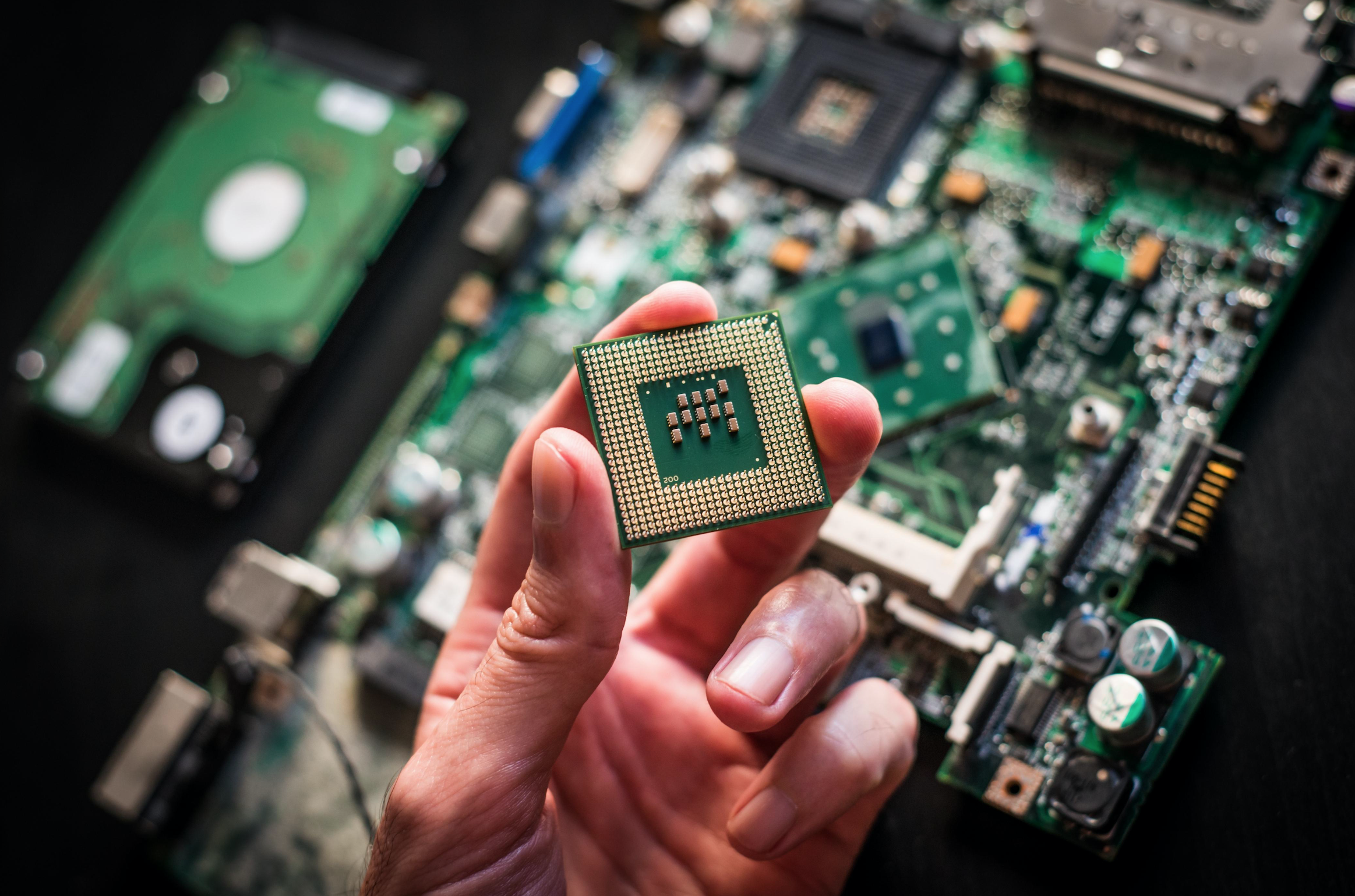
Paragraf, a Cambridgeshire semiconductor start-up, has secured a £41m ($55m) Series C funding round led by Mubadala, the sovereign wealth fund of the United Arab Emirates.
The deal, which gives Mubadala a 12.8% stake in the company, will allow Paragraf to scale up production of its graphene-based chips, devices touted as faster and more efficient than conventional silicon semiconductors.
The agreement comes after six months of government scrutiny under the UK’s National Security and Investment Act, reflecting heightened sensitivity around foreign stakes in Britain’s strategic technology industries.
Paragraf’s co-founder and chief executive, Simon Thomas, said the delay left the firm within weeks of exhausting its cash reserves.
Founded in 2017 as a University of Cambridge spin-out, Paragraf has positioned itself at the frontier of next-generation chipmaking. Graphene, a single-atom-thick sheet of carbon, is lauded for its extraordinary electrical and thermal properties.
Chips built with graphene could operate in extreme environments, from the cryogenic conditions required for quantum computing to the high temperatures of advanced aerospace applications, while consuming less energy than their silicon counterparts.
The new capital, Paragraf said, will fund the expansion of production facilities and accelerate research into commercial applications. Mr Thomas described the investment as “a strong signal of confidence” in the firm’s mission to transform electronics with graphene.
The National Security and Investment Act, introduced in 2022, gives ministers sweeping powers to scrutinise and block foreign deals involving sensitive technologies.
Officials have already intervened in several semiconductor transactions, including the forced divestment of China’s Wingtech from Newport Wafer Fab in 2022.
Although Mubadala’s stake eventually won approval, the protracted review highlights the uncertainty facing young firms seeking overseas funding.
“For a company like Paragraf, the process can be existential,” said one industry analyst. “Delays risk stalling development at a time when global competitors are scaling aggressively.”
The investment comes amid intensifying competition over semiconductor supply chains. The United States, European Union and Japan have all unveiled multibillion-dollar subsidy packages to bolster domestic chipmaking.
Britain, by contrast, has pledged £1bn over a decade, a sum critics argue is modest given the scale of the challenge.
Mubadala, which manages more than $284bn in assets, has a history of investing in advanced technology, including stakes in US and Asian semiconductor firms.
Its support could give Paragraf not only capital but also access to global markets and supply networks. Still, some in Westminster remain wary of ceding strategic industries to foreign sovereign investors, even from allies.
Written by the newsroom, not a summariser. Free, and you can leave whenever.





0 comments
Anyone can read the thread · subscribers can post