
Your cough while you sleep could warn of a Flu outbreak a week early
A British study suggests that smartphones listening for coughs during sleep could detect rising levels of flu and COVID-19 before conventional health data does, opening a new avenue…

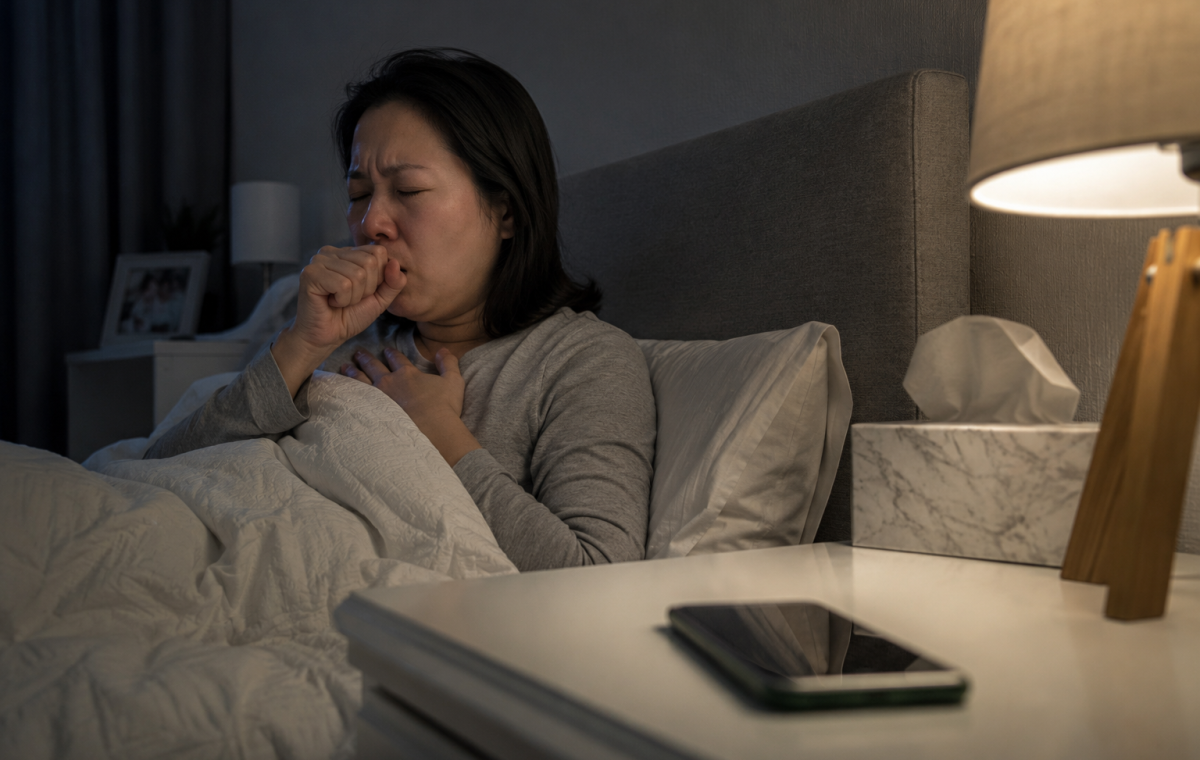
A British study suggests that smartphones listening for coughs during sleep could detect rising levels of flu and COVID-19 before conventional health data does, opening a new avenue for disease surveillance.
The occasional cough in the middle of the night may reveal rather more than a disturbed night’s sleep. Researchers in Britain have found that anonymously collected cough data from a sleep app can provide an early indication of rising influenza and COVID-19 infections — in some cases about a week before conventional surveillance detects the increase.
The study, conducted by the UK Health Security Agency (UKHSA) with sleep technology company Sleep Cycle, examined whether smartphones could effectively act as an early-warning network for respiratory illness.
Sleep Cycle uses artificial intelligence to analyse sounds during sleep. Its technology can identify coughing without requiring users to actively report symptoms. Researchers compared these passive signals with NHS 111 reports and established data tracking influenza and COVID-19 in England.
The results were striking. Changes in nighttime coughing closely followed broader levels of respiratory illness, while increases were frequently detected around seven days before rises in recorded flu and COVID-19 activity.
That head start could matter.
Traditional disease surveillance partly depends on people deciding to seek medical attention, followed by testing, laboratory processing and reporting. The resulting figures are invaluable but inevitably arrive with delays. They can also be influenced by differences in healthcare access and people’s willingness to consult a doctor.
A smartphone beside the bed faces none of those obstacles. The cough data is collected automatically during ordinary sleep, processed with privacy protections and updated daily, potentially offering health authorities a near real-time picture of respiratory illness circulating through communities.
UKHSA nevertheless stresses that the technology is not intended to replace established surveillance.
“No single surveillance system provides a complete picture,” said Professor Steven Riley, the agency’s chief data officer, arguing that nocturnal cough monitoring could instead provide an additional population-level signal of approaching disease trends.
The research illustrates a wider transformation in public health. Consumer devices already generate enormous quantities of information about sleep, movement and other everyday behaviours. Artificial intelligence increasingly makes it possible to turn those scattered signals into meaningful population-level patterns.
A phone listening quietly from the bedside table will not diagnose the next pandemic. But millions of phones detecting the same change in the night may tell health authorities that something is coming before the waiting rooms begin to fill.
Written by the newsroom, not a summariser. Free, and you can leave whenever.






0 comments
Anyone can read the thread · subscribers can post