CES 2026 opens in Las Vegas on January 6, with expectations running high. The world’s largest technology show arrives at a moment of change for the industry. Artificial intelligence still dominates the conversation, but the focus is shifting. This year, the emphasis is less on big promises and more on products that actually ship.
The four day event runs from January 6 to January 9. It brings together tens of thousands of executives, engineers, investors, policymakers and journalists from around the world. Organized by the Consumer Technology Association, the show stretches across more than a dozen venues and features thousands of exhibitors. New products will span artificial intelligence, consumer electronics, mobility, digital health and energy.
CES arrives at a turning point. After several years shaped by generative artificial intelligence, companies are now under pressure to make the technology practical and profitable. Energy use has become a serious concern. Hardware matters again. CES has long been where these shifts first become visible.
“CES is where innovators show up to connect and do business on a global scale,” Gary Shapiro, the chief executive of the Consumer Technology Association, said in a statement. He pointed to more than 3,600 innovation award submissions and exhibits spread across roughly 2.6 million net square feet. The scale alone signals how much is at stake.
Artificial intelligence is once again the main theme, but the approach is changing. Instead of relying only on cloud based systems, many companies are now pushing on device artificial intelligence. These systems run directly on phones, laptops and other hardware.
Chipmakers such as Intel, Qualcomm and Advanced Micro Devices are expected to showcase new processors designed to deliver stronger performance while using less power. That balance has become critical as artificial intelligence features move into everyday devices.
Running artificial intelligence locally can reduce delays, improve privacy and lower cloud computing costs. Analysts say it also intensifies competition among chipmakers, who are racing to stand out through efficiency and graphics performance.
Televisions remain a CES staple. This year, the spotlight is on new generations of RGB LED displays. Manufacturers including Samsung, LG, TCL and Hisense are expected to unveil models that use separate red, green and blue light sources to deliver brighter images and more accurate color.
The technology comes at a cost. Early versions of these televisions have carried price tags approaching or exceeding 20,000 dollars for larger models. Industry observers expect prices to fall over time as production improves and competition increases. For now, CES will highlight what is technically possible rather than what most consumers can afford.
Laptops are set for another round of announcements. New models built around Intel’s Panther Lake chips, Qualcomm’s Snapdragon X2 platform and next generation processors from Advanced Micro Devices are expected to dominate headlines.
Most updates will be incremental. Faster performance. Better battery life. Still, manufacturers continue to experiment with foldable, dual screen and rollable designs in an effort to revive a mature market.
The smart home category is also expanding, driven in part by robotics. More capable vacuum cleaners and lawn mowers are becoming common. Some companies are even showing early humanoid robots. Most experts agree that fully capable household humanoids remain years away, but CES serves as a testing ground for public reaction.
Digital health is gaining ground at CES. Exhibitors are highlighting wearable devices, remote monitoring tools and artificial intelligence driven analytics aimed at preventive care and longevity. These products reflect broader demographic trends, including aging populations and rising health care costs. Regulators and clinicians continue to scrutinize their accuracy and real world value.
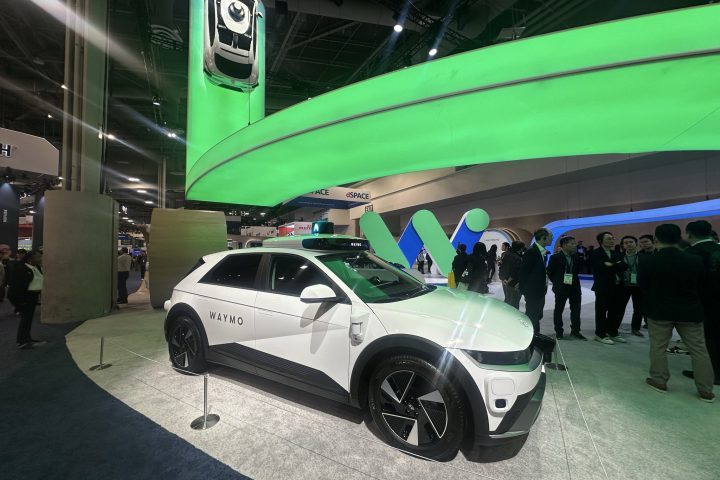
In mobility, vehicles are increasingly presented as software platforms. Automakers and technology firms are demonstrating advanced driver assistance systems, autonomous shuttles and even agricultural machinery.
Energy has moved to the center of the conversation. The growing power demands of artificial intelligence and cloud computing are pushing energy technologies onto the CES agenda. Companies working on batteries, solar power, nuclear energy and alternative fuels are positioning their products as essential infrastructure for the digital economy.

CES has always been about more than flashy devices. Deals are negotiated behind closed doors. Partnerships take shape quietly. Narratives about the future of technology begin to form.
Critics often note that many concepts unveiled at CES never reach the market and that hype can outpace reality. Still, the show remains a reliable indicator of industry priorities.
With artificial intelligence spreading into nearly every category and energy constraints becoming harder to ignore, the choices on display in Las Vegas this week are likely to influence products, investments and policy long after the show ends.