A group of well-known British actors, comedians and musicians, including Daniel Kaluuya, Jack Whitehall, Maya Jama, Roman Kemp and Tom Grennan, have quietly come together to launch a new fund aimed at backing early-stage tech startups across the UK and Europe.
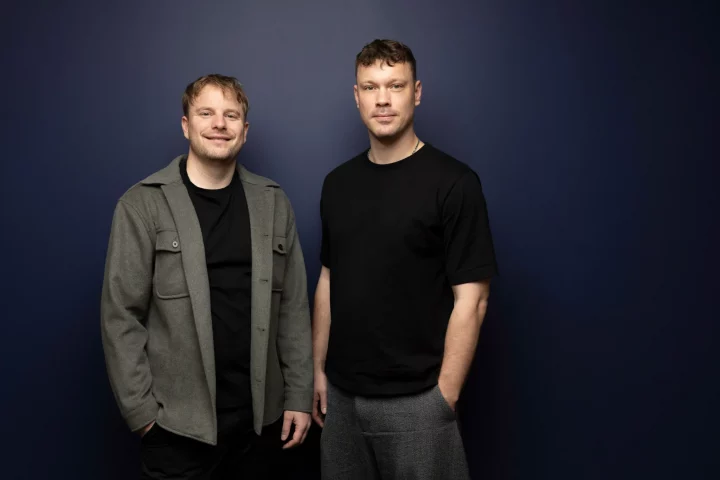
The fund, called The Artists Collective, has been operating under the radar and has only just emerged from stealth. It was set up by Fergus and Ruari Bell, the brothers behind the athlete-led Players Fund, and plans to invest between £50,000 and £300,000 in startups raising seed to Series A rounds, across areas such as AI, cybersecurity, fintech, health tech and media.
According to the founders, the fund has already backed 20 startups, often alongside heavyweight venture capital firms like Andreessen Horowitz, Accel and Seedcamp. The total size of the fund has not been made public, but the pace and profile of its early investments suggest this is meant to be a serious player, not just a headline-grabbing celebrity side project.
The idea builds on the model the Bells tested with the Players Fund, which brings together capital from professional athletes, including figures such as Ben Stokes and Serge Gnabry and combines it with access to commercial networks. The same thinking, they argue, applies to artists and entertainers, whose influence can matter most when young companies are trying to reach new audiences, secure partnerships or build a recognisable brand.
Ruari Bell said the fund was born out of growing interest from artists who wanted to invest in technology but lacked a clear, trusted structure to do so. “Artists want a place where they can invest together, learn together and actually help founders in ways that matter,” he said, adding that the goal is to stay low-profile and let results speak louder than publicity.
Fergus Bell described the approach as a direct extension of what worked with athletes. “We saw that capital plus access can go further than cheque size alone,” he said. In practice, that support might mean making introductions that help unlock revenue, connecting founders with key hires, or opening doors across sport and entertainment at moments that fit a company’s growth plan not the news cycle.
Celebrity involvement in venture capital is nothing new, especially in the US, but the rise of more structured, thesis-led funds in Europe points to a more mature startup ecosystem. With higher interest rates and tighter funding conditions, early-stage founders are finding it harder to raise money, and investors who can offer more than cash are becoming more attractive. At the same time, venture firms themselves are being more selective, placing greater weight on traction and meaningful support.
There is, however, some scepticism. Access-led investing only works if it is well executed, and the value of celebrity networks can be patchy and hard to measure. For founders, what matters is not broad exposure but timely, relevant introductions that move the business forward.
Still, The Artists Collective’s early co-investments alongside established venture firms suggest it is being taken seriously. If the model holds up, it could encourage more organised involvement from artists and other non-traditional investors and further blur the line between cultural influence and venture capital in Europe’s growing tech scene.