
Semble raises £30M series C to scale Europe’s private healthcare platform
Semble has raised £30 million in a Series C funding round led by Revaia, with participation from Partech and returning investors Mercia Ventures and Octopus Ventures. The round…

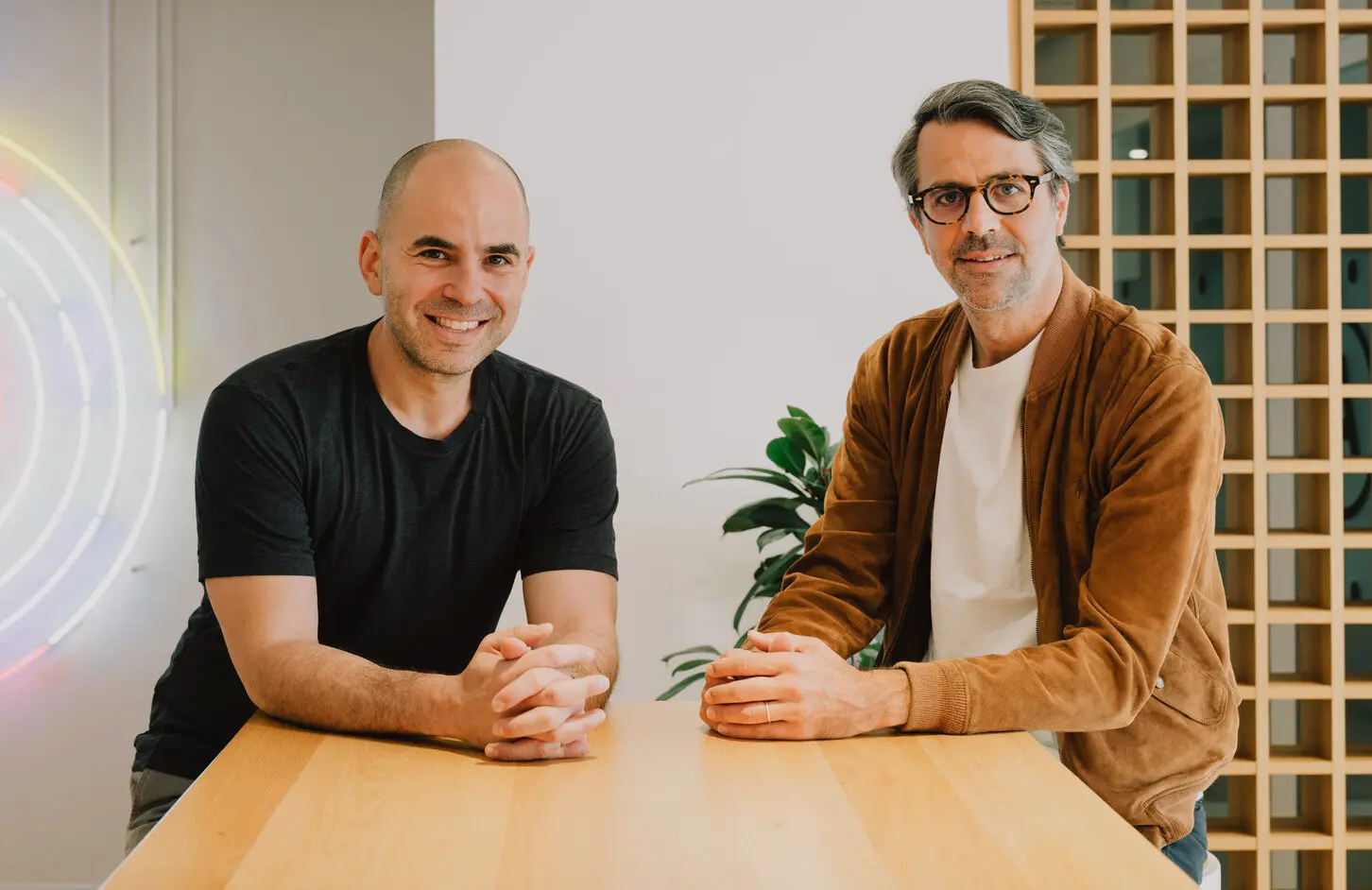
Semble has raised £30 million in a Series C funding round led by Revaia, with participation from Partech and returning investors Mercia Ventures and Octopus Ventures. The round brings Semble’s total funding to approximately £57 million, nearly doubling its valuation since its £11.5 million Series B in October 2024.
Founded in 2016 as Heydoc and later rebranded, Semble was established by Christoph Lippuner and Mikael Landau. The company is headquartered in London, with operations in Paris. Lippuner previously worked for 11 years as an Executive Director at J.P. Morgan and co-founded Orogo.
Semble provides an integrated software platform for private outpatient healthcare providers, combining scheduling, billing, clinical records, reporting, prescriptions, and patient communications into a single system. The platform also integrates with more than 1,200 external tools, including diagnostics, laboratories, and CRM systems.
The company is used by 1,700 healthcare businesses across 80 medical specialities and supports approximately 16,000 healthcare professionals daily. Around 10 million patients have received care through clinicians using Semble’s system, with one in six people in the UK estimated to have interacted with care delivered via the platform.
Customers include Nuffield Health, Welbeck, Midland Health, London Doctors Clinic, Modality, and ProblemShared. The company’s headcount has grown by more than 50% since December 2024. Semble was named by TIME as one of the World’s Top HealthTech Companies for 2025.
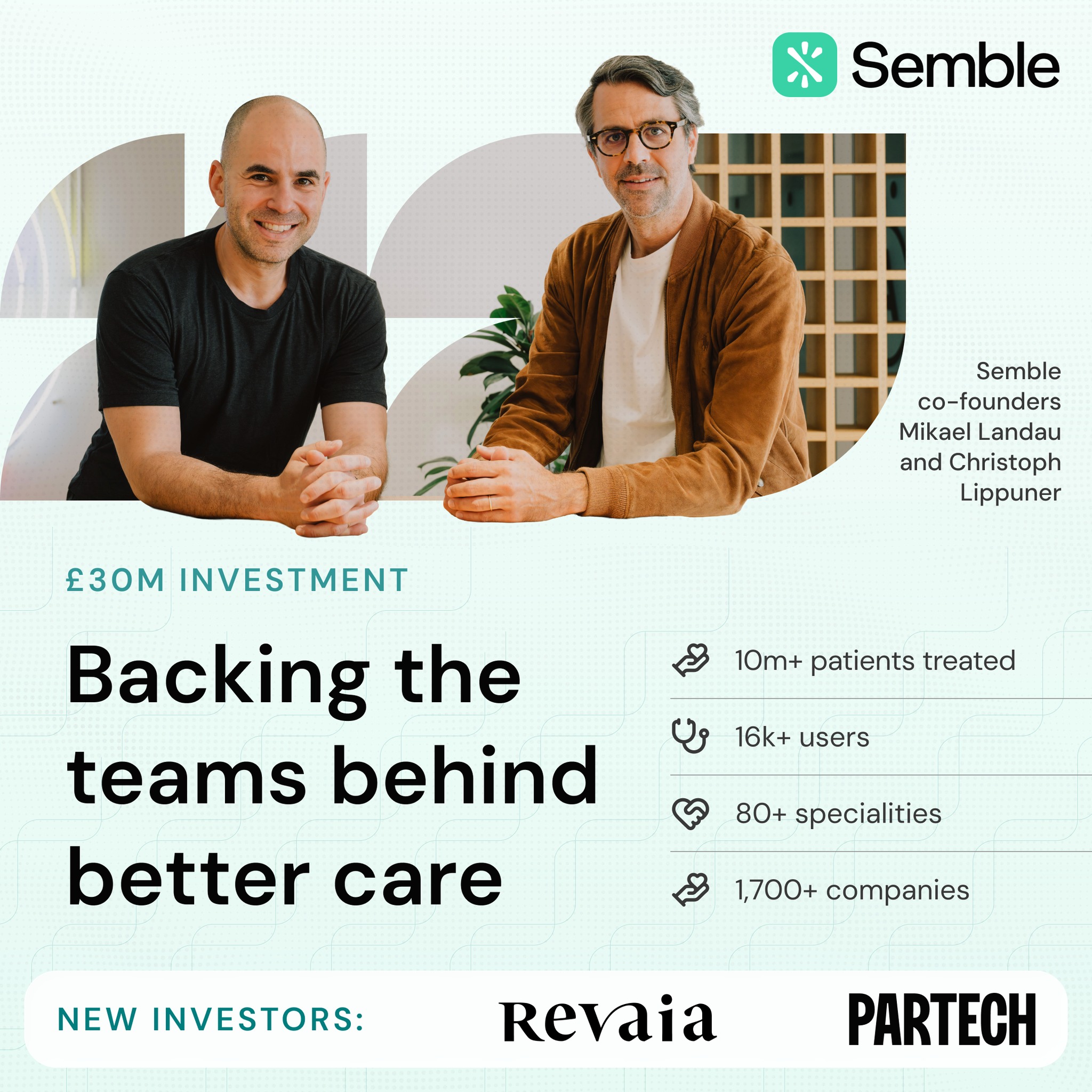
Semble operates in a private healthcare market experiencing structural growth driven by rising private medical insurance uptake and increased self-pay demand. The British Medical Association estimates that 13.5 million working hours are lost annually by doctors in England due to inefficient IT systems.
Revaia, founded in 2018 and managing over €600 million in assets, led the round. Partech, a global investment firm managing over $3 billion, also participated.
Semble stated the funding will support expansion across Europe and further development of its unified healthcare operating platform.
Written by the newsroom, not a summariser. Free, and you can leave whenever.







0 comments
Anyone can read the thread · subscribers can post