
Nvidia’s Jensen Huang resigns as affairs and spy inquiry force him out
Colette Kress, the chipmaker’s finance chief since 2013, becomes interim chief executive while the Justice Department pursues investigations tied to a Singaporean businesswoman Huang has admitted having an…

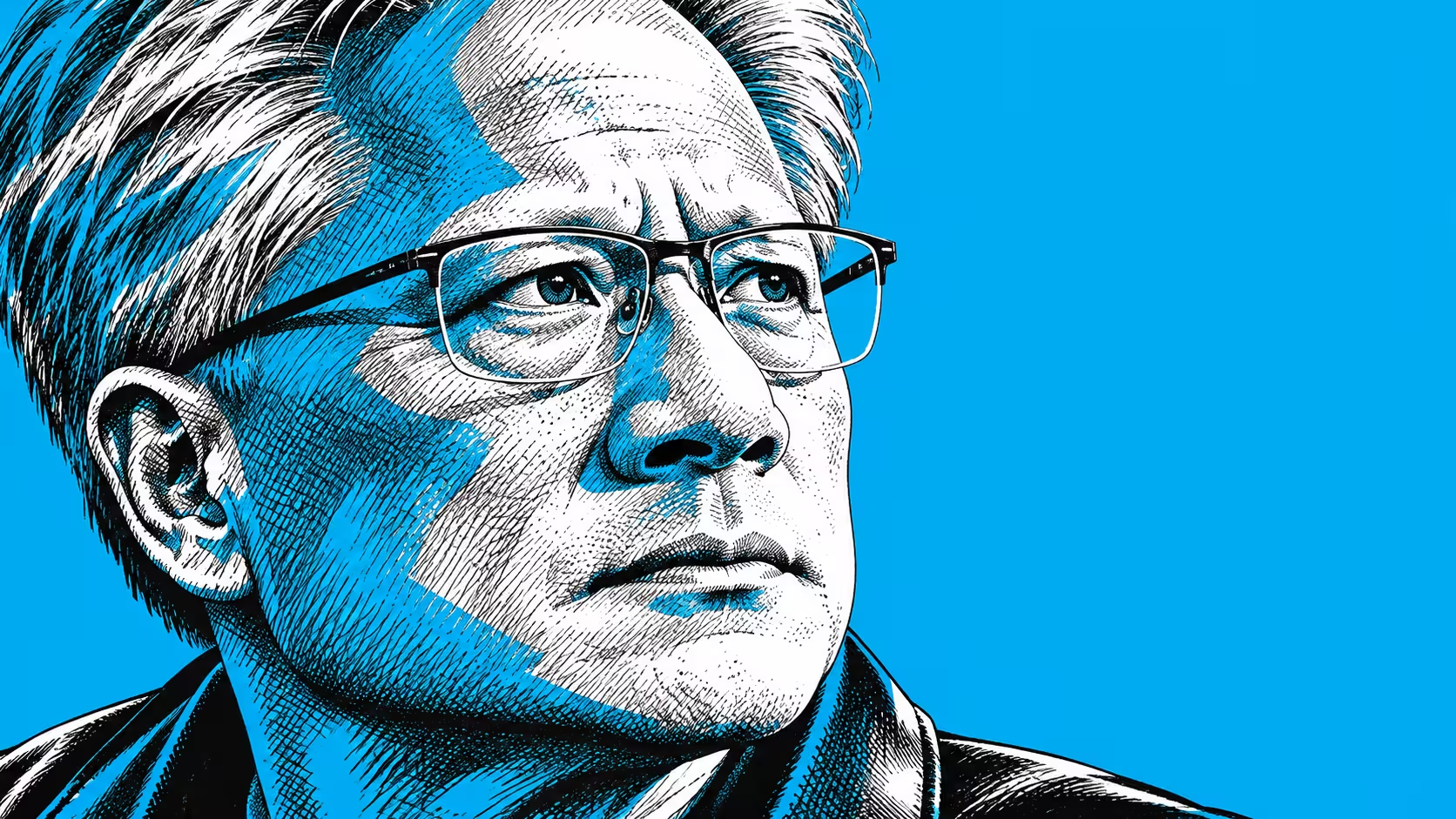
Colette Kress, the chipmaker’s finance chief since 2013, becomes interim chief executive while the Justice Department pursues investigations tied to a Singaporean businesswoman Huang has admitted having an affair with.
Jensen Huang resigned on Wednesday as chief executive, president and director of Nvidia, ending 33 years running the company he co-founded and that became the most important supplier to the artificial-intelligence industry. Nvidia announced his exit on Thursday. Four days earlier, Huang had admitted an extramarital affair with a woman U.S. intelligence officials suspect of working for China.
The board named Colette Kress, the chief financial officer, as interim chief executive. She will keep her finance role. Directors said they would consider internal and external candidates for the permanent job. They also made Harvey C. Jones, a venture investor who has been on the board since Nvidia was founded in 1993, its first chair.
Nvidia’s graphics processors power most of the world’s AI data centres, and Huang was the company’s public face to customers, governments and investors. Its own proxy statement warns that it depends heavily on a long-serving executive team, and Huang has said he does not believe in formal succession planning. On Thursday the shares fell more than 14 percent at the open before recovering part of the loss. That extended a decline of about 30 percent over the past month.
The woman at the centre of the affair is Alice Huang, also known as Huang Le, a Chinese citizen and an executive at Megaspeed, a Singapore data-centre operator that became a major Nvidia customer. She is no relation to Jensen Huang. The Commerce Department began investigating Megaspeed in late 2024 over suspicions that it helped Chinese companies get around U.S. export controls on advanced chips. The New York Times reported in October 2025 that the two Huangs had a close business relationship. Late last month it reported that American officials had concluded she was a Chinese intelligence asset. At the time, an Nvidia spokesman said there was nothing “unusual or unexpected” about the relationship.
After that, things moved within days. On Sunday, Huang told employees in a letter that he had been unfaithful to his wife. “I have fallen short of that responsibility,” he wrote, and he pledged to stay on. The same day the board opened an independent investigation. It said it had “no reason to believe” that national security or company secrets had been compromised. By Tuesday it had hired Joon Kim, a former acting U.S. attorney, and the law firm Wachtell Lipton. On Wednesday the Times reported that Huang had also had an affair with Kimberly Powell, an Nvidia executive who reports to him and runs the healthcare business. The board met that evening and accepted his resignation. Powell did not respond to requests for comment.
The espionage allegations have not been tested in public. They come from unnamed officials quoted by the Times, and no one has been charged. China’s foreign ministry called the claims groundless. Megaspeed says it complies with all applicable laws, including U.S. export rules. Nvidia said last year that accusations of chip diversion by Megaspeed had been investigated and found baseless. Singaporean police nonetheless say they are investigating the company for possible breaches of local law. According to people familiar with the matter, the Justice Department now leads several investigations involving Alice Huang.
The case also bears on Nvidia’s dealings in Washington. Huang had become a regular visitor to the White House, and President Trump approved Nvidia chip sales to China over the objections of security officials. Earlier this week Trump defended Huang, saying the executive had told him he did not know Alice Huang was a suspected spy. In Congress the reaction was harsher. Senator Elizabeth Warren, a Massachusetts Democrat, said the resignation “does not absolve him” or the company, and called for tighter export controls. House Speaker Mike Johnson said Huang had done the right thing by stepping down.
Kress, who joined Nvidia from Cisco and Microsoft, is known to investors mainly from earnings calls. “Our focus remains on serving our customers, partners, developers and shareholders,” she said on Thursday. She will hold an all-staff meeting on Nov. 18.
Huang is no longer in management but still owns about 3.6 percent of the company, which makes him its largest shareholder. He could appear before Congress next week. Representative Brian Mast, the Florida Republican who chairs the House Foreign Affairs Committee, said lawmakers were negotiating closed-door testimony from Huang after earlier threatening to subpoena him.
Written by the newsroom, not a summariser. Free, and you can leave whenever.






0 comments
Anyone can read the thread · subscribers can post