
Nuclear Turbines secures £15m to make nuclear power cheaper for Britain’s factories and data centres
Britain’s ambition to become an AI powerhouse has collided with a stubborn reality: there simply is not enough affordable electricity. One young company believes the answer lies not…

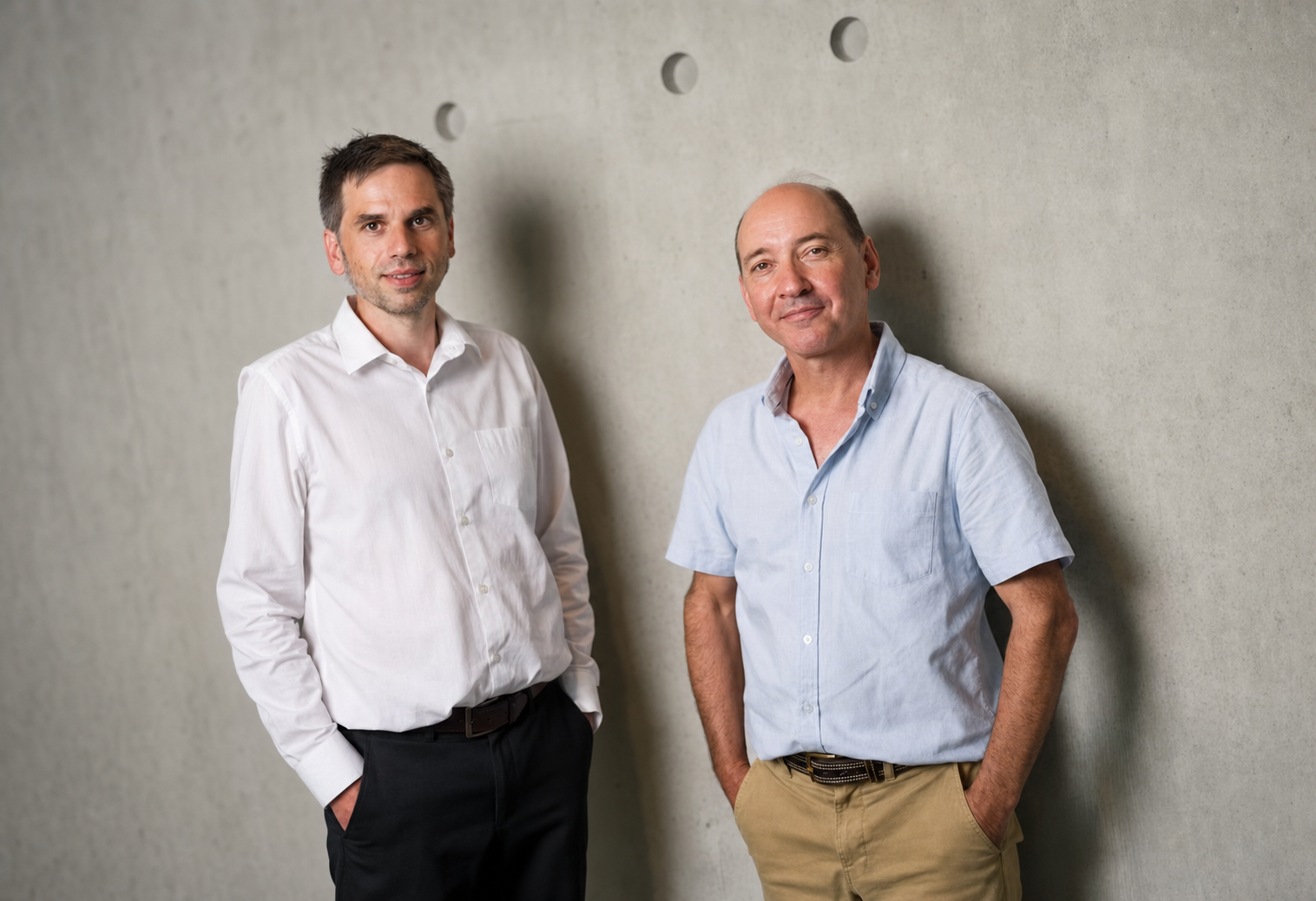
Britain’s ambition to become an AI powerhouse has collided with a stubborn reality: there simply is not enough affordable electricity. One young company believes the answer lies not in building ever-larger reactors, but in shrinking nuclear power down to something factories and data centres can install on site.
Nuclear Turbines, a British advanced nuclear start-up spun out of BAE Systems, has raised £15 million in a funding round led by IQ Capital, with backing from Rhapsody Venture Partners, Zero Carbon Capital and Empirical Ventures.
Founded by former BAE Systems principal engineer Jeremy Owston alongside nuclear engineer Professor Tim Abram, the company is taking aim at one of nuclear energy’s oldest assumptions.
For decades, reactors have relied on vast steam systems to convert heat into electricity. Nuclear Turbines has discarded that approach altogether, replacing bulky steam turbines with high-temperature turbine technology more commonly found inside jet engines and modern gas-fired power stations.
The result is a reactor designed to be dramatically smaller, cheaper and easier to deploy.
Instead of feeding electricity into the national grid, the reactors are intended to sit directly alongside major energy users such as manufacturing plants, industrial facilities and hyperscale data centres, providing power where it is needed rather than transporting it across the country.
The company believes its approach could generate electricity at around one-fifth of the cost of today’s conventional nuclear plants.
That promise arrives at a moment when Britain’s energy costs remain among the highest in Europe. UK businesses continue to pay substantially more for electricity than competitors in France and Germany, while manufacturers in the United States enjoy prices that are lower still. For industries wrestling with soaring power bills and governments eager to support AI infrastructure, reliable low-cost energy has become as strategically important as access to skilled workers.
The timing is equally significant politically.
Westminster has renewed its commitment to nuclear power, with ministers describing the coming years as a new era for the industry. Recent policy reviews have also called for sweeping reforms to Britain’s nuclear regulatory system in an effort to speed up innovation and reduce the time needed to bring advanced reactor technologies to market.
Fresh capital will allow Nuclear Turbines to move from concept towards commercial reality. The business plans to validate its reactor design, construct large-scale testing facilities, expand its engineering team and begin manufacturing its first fuel elements.
The company has also strengthened its leadership team by appointing Lauren Dickerson, formerly Strategy Director at Centrica, as Chief Commercial and Strategy Officer.
Owston says the company approached the challenge from the opposite direction to the rest of the industry.
“The nuclear industry has always designed reactors first, then figured out what to do with the heat,” he said. “We flipped this script. We started with the cheapest way to generate power and designed a reactor to fit.”
If Britain hopes to rebuild its industrial base while meeting ambitious climate targets, he argues, clean electricity alone is no longer enough. It also has to be affordable.
Investors appear convinced the opportunity extends well beyond the UK.
Jordan Billiald, investor at IQ Capital, said Nuclear Turbines had developed one of the few small modular reactor concepts capable of solving both the economic and environmental challenges facing the sector. With governments accelerating nuclear policy and regulators under pressure to modernise, he believes the company is well positioned to compete internationally.
Rhapsody Venture Partners also sees export potential beyond the reactors themselves.
General Partner Jason Whaley argues that countries seeking to strengthen domestic manufacturing will increasingly compete on access to abundant, low-cost electricity. Companies capable of supplying not only reactors but also fuel technology could end up shaping the next generation of global energy infrastructure.
For Britain, that prospect carries a familiar question.
The country has produced world-class nuclear science for decades but has often struggled to convert engineering excellence into globally dominant businesses. Nuclear Turbines now has fresh capital, favourable political winds and a market desperate for cheaper electricity.
The harder part, as ever in nuclear energy, begins now.
Written by the newsroom, not a summariser. Free, and you can leave whenever.







0 comments
Anyone can read the thread · subscribers can post