
Schneider Electric makes $22.6 Billion bet on PTC as industrial AI race accelerates
Schneider Electric has agreed to buy U.S. industrial software company PTC (Parametric Technology Corporation) for about $22.6 billion, placing the biggest acquisition in the French group’s history at…

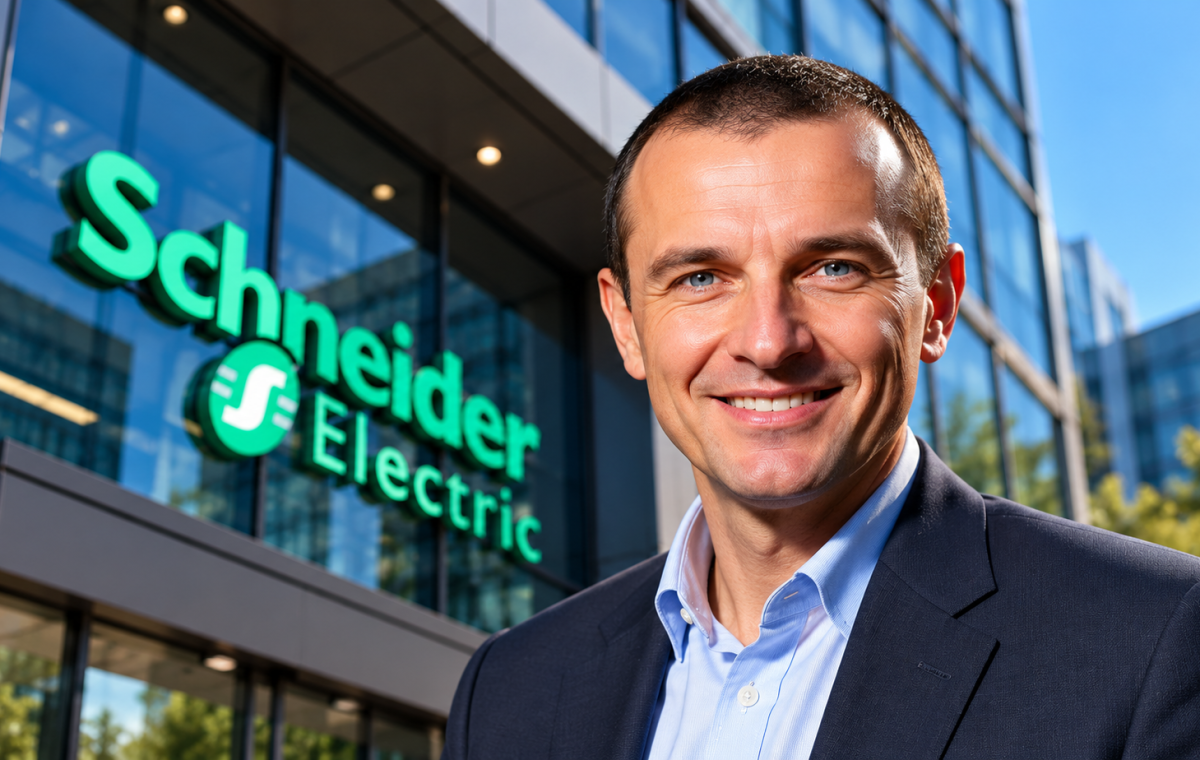
Schneider Electric has agreed to buy U.S. industrial software company PTC (Parametric Technology Corporation) for about $22.6 billion, placing the biggest acquisition in the French group’s history at the centre of its push into software, data and artificial intelligence. The deal will see Schneider pay $205 in cash for each PTC share, valuing the company at $22.6 billion and implying an enterprise value of about $23.7 billion. The offer represents a 42.3% premium to PTC’s closing share price before the announcement.
Schneider Electric traces its roots to 1836, when brothers Adolphe and Joseph-Eugène Schneider took control of the Le Creusot foundry in France and built a business around steel, heavy machinery and industrial infrastructure. Over nearly two centuries, Schneider repeatedly reinvented itself, moving into electricity, power distribution and factory automation before expanding into data-centre infrastructure and industrial software. Acquisitions played a central role in that evolution: Square D strengthened its electrical business in North America, APC helped establish its position in critical power and data centres, while AVEVA pushed the group deeper into industrial software.
PTC comes from the other end of the industrial world. Founded in Massachusetts in 1985 as Parametric Technology Corporation, the company made its name with Pro/ENGINEER, pioneering parametric computer-aided design software that allowed engineers to build complex digital models whose components could automatically adjust when designs changed. PTC later expanded beyond design with Windchill, its product lifecycle management platform, creating a system through which manufacturers could organise engineering drawings, components, revisions and other product information.
For Schneider, best known historically for electrical equipment and industrial automation, the acquisition represents another step in a transformation that has been decades in the making.
The company now supplies much of the infrastructure that keeps modern factories and data centres running, from electrical distribution and automation systems to cooling equipment and server racks. PTC brings a different piece of the industrial puzzle: software used by companies to design products and manage the information surrounding them throughout their lifecycle.
Its best-known products include Creo, a computer-aided design platform used by engineers to create complex products, and Windchill, which allows manufacturers to manage engineering and product information across large organisations.
Schneider believes that information could become increasingly valuable in the age of artificial intelligence.
Chief Executive Olivier Blum told investors that data was becoming a critical layer in extracting value from AI. PTC’s engineering information could give AI systems greater context about how industrial products are designed, manufactured and maintained.
The acquisition would also accelerate Schneider’s expansion beyond traditional industrial hardware and into recurring software revenue. Following the transaction, software-as-a-service revenue is expected to account for roughly 24% of group sales.
The logic follows Schneider’s broader strategy. The company has spent years expanding from electrical distribution into automation, data centres and software, including its takeover of British industrial software group AVEVA. In June, Schneider also agreed to acquire industrial AI and data company Cognite.
PTC would extend that software portfolio further into product design and engineering.
But investors were far less enthusiastic than Schneider’s management.
Schneider shares fell nearly 10% in Paris following the announcement, erasing roughly €15 billion of market value in early trading. PTC shares, by contrast, surged as investors welcomed the substantial premium offered by Schneider.
The reaction highlights the central question surrounding the acquisition: not whether PTC is a valuable business, but whether Schneider is paying too much for it.
The purchase will require substantial financing. Schneider plans to issue €5 billion to €6 billion of new shares and raise another €16 billion to €17 billion of debt. The share issuance will dilute existing shareholders, while the additional borrowing will increase leverage and interest costs.
Investors must therefore weigh the long-term strategic benefits against a considerable upfront price.
Schneider expects the combination to generate about €250 million of annual cost savings by the third year after closing, alongside roughly €800 million in revenue synergies. Those revenue gains could come from selling PTC software through Schneider’s global customer network and combining the companies’ technologies into new industrial offerings.
Delivering those synergies will be crucial. The 42.3% premium means Schneider is already paying PTC shareholders for a significant portion of the value it hopes to create in the future.
There is another source of uncertainty: AI itself.
Schneider sees artificial intelligence as one of the strongest arguments for buying PTC. Yet investors have also become concerned that AI could disrupt established software companies by lowering development costs and enabling new competitors. Jefferies noted that fears of AI disruption continue to weigh on software valuations, even as those depressed valuations create acquisition opportunities.
The result is an unusual strategic tension. Schneider, already one of the major beneficiaries of booming investment in AI data centres, is using that strength to make a large bet on a software industry whose future is being reshaped by the same technology.
The company argues that PTC occupies a particularly valuable position because its software holds critical engineering and product information that manufacturers rely upon.
Schneider is betting that connecting that information with its existing electrical, automation and industrial software businesses will create something more valuable than either company could build independently.
Investors are not yet convinced.
The transaction is expected to close by the third quarter of 2027, subject to regulatory approval and the support of PTC shareholders. That leaves Schneider with plenty of time to make its case.
For now, PTC shareholders are receiving a large premium today. Schneider shareholders are being asked to wait for the promised benefits tomorrow.
Written by the newsroom, not a summariser. Free, and you can leave whenever.






0 comments
Anyone can read the thread · subscribers can post